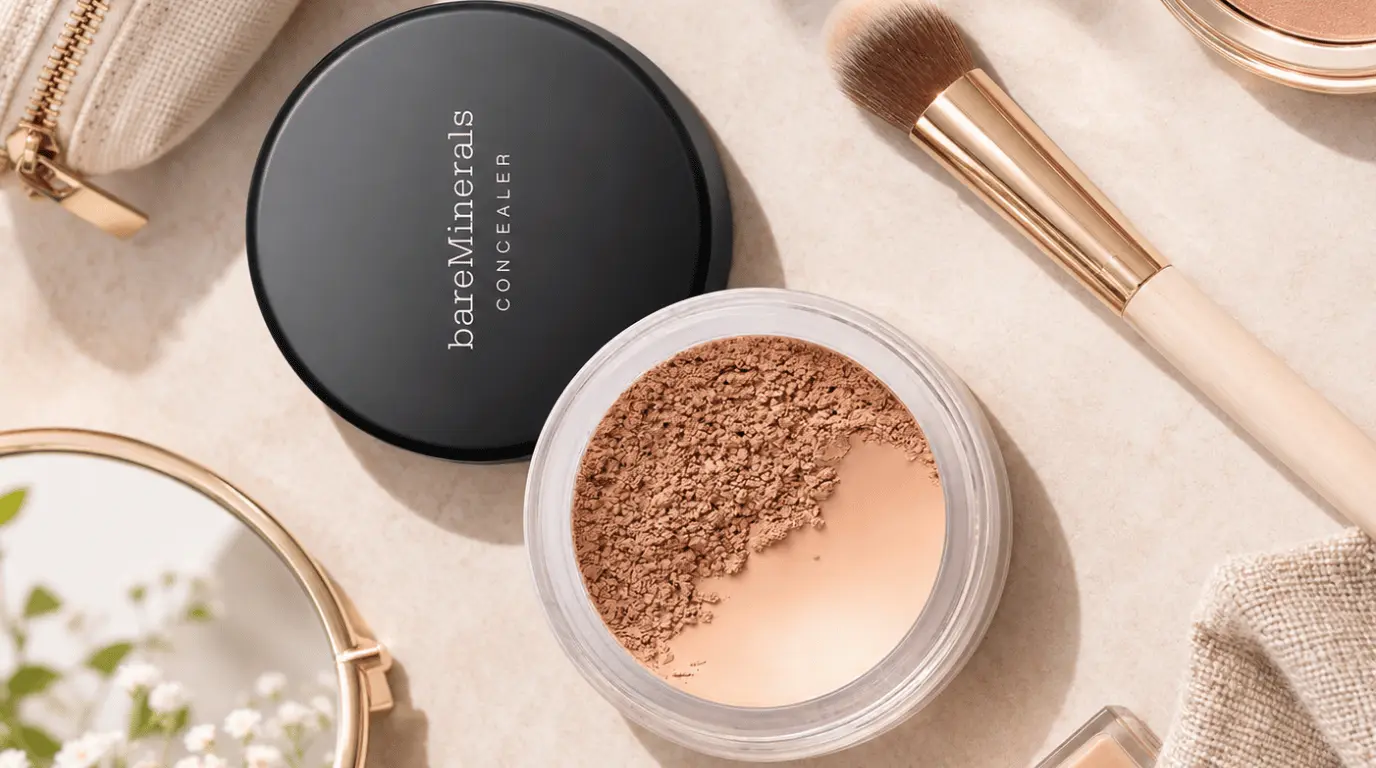
There is a makeup frustration I know well: your skin looks fine after moisturizer, then one enthusiastic swipe of liquid concealer makes everything seem more noticeable. Suddenly, the little crease under your eye has a starring role. So when I think about the bareMinerals Loose Powder Concealer SPF 20, the interesting question isn't whether powder can hide everything. It's whether a lighter approach can make getting ready feel less complicated.
I'm drawn to makeup that survives a real morning: changing outfits, grabbing coffee, checking my reflection in daylight, and realizing I have approximately three minutes left. This mineral concealer fits that less-is-more conversation, but it comes with a few important caveats.
Why Powder Concealer Makes Sense on Some Days
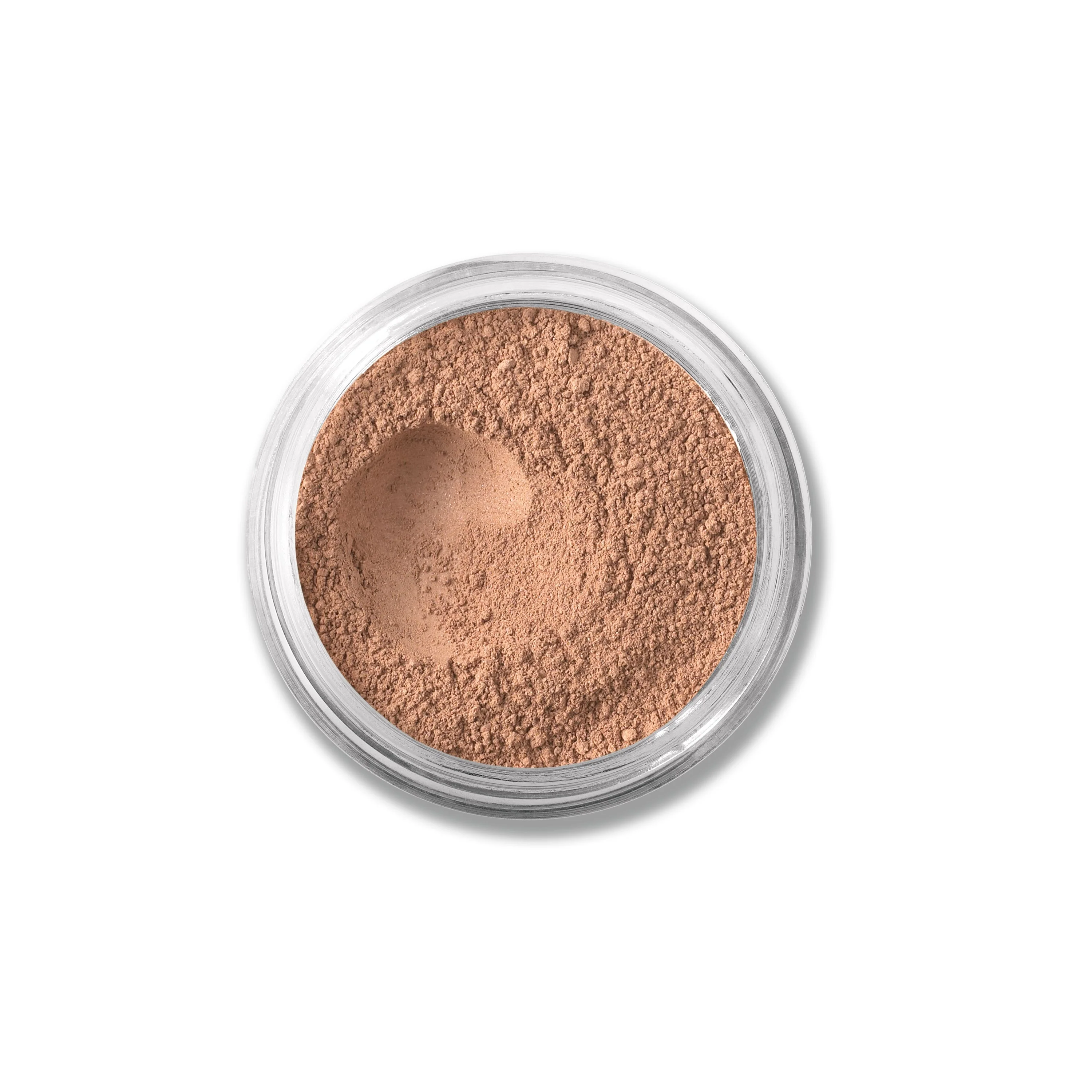
Liquid formulas can be wonderful for concentrated coverage, particularly when you're dealing with prominent discoloration. But they're not always what I want alongside tinted sunscreen, brushed brows, and lip balm. A finely applied powder can soften the contrast around a small blemish or patch of redness without introducing another creamy layer.
That's where bareMinerals has an appealing idea. Its loose mineral formula offers buildable coverage, rather than a thick, opaque finish. Think of it as selectively evening out your complexion, not editing away every freckle. If you love visible skin texture and dislike the feeling of a full face, that distinction matters.
The Bare-Skin Test I'd Actually Recommend
The best way to judge a powder concealer isn't beneath bathroom lighting. Try it by a window, with your moisturizer and sunscreen fully settled. Start with one red spot beside your nose or a faint mark on your chin. Load a small, dense brush, tap off the excess, then press the pigment exactly where you need it. Soften only the outer edge.
Wait five minutes before deciding whether to add more. With loose powder, impatience is how a subtle correction becomes a dusty-looking patch. I would leave the surrounding skin alone rather than sweeping product across an entire cheek. The goal is for someone to notice your face, not where the makeup starts.
A practical warning: don't pour loose powder directly onto your clothes, especially when wearing black. Work over the lid, and keep the brush away from a freshly dressed neckline.
Under-Eye Coverage is Where I'd Be Careful
Here's where I'd temper expectations. Under-eye skin can be thin, mobile, and prone to dryness. Powder may visually soften mild discoloration, but extra layers can make fine lines look more obvious, especially when the area hasn't been moisturized properly.
For dark circles, I'd first ask what you're trying to cover. Blue-purple shadows often need color correction; a skin-tone powder alone may turn them gray. For occasional darkness, try the smallest amount along the inner corner, where shadows tend to concentrate. Skip the full under-eye triangle. If your skin is flaky or you prefer a dewy finish, a hydrating liquid formula may simply suit you better.
Choosing a Shade Matters More Than the Packaging
One limitation worth discussing is the shade range. The brand currently lists four options: Bisque, Summer Bisque, Honey Bisque, and Deep Bisque. That's not much room for every combination of depth and undertone. A shade that seems close in the jar can still appear peachy, pink, or ashy on bare skin.
I'd compare swatches against your jaw in natural light and check how the color looks after your sunscreen dries. Don't automatically choose something lighter to brighten blemishes; contrast can make them stand out. For spot concealing, a close skin match is usually more convincing than a highlighting shade.
What I'd Love, and What Would Annoy Me
The appeal is obvious: a small jar, targeted coverage, and no need to blend a wet formula across half your face. It could make a genuinely useful desk-to-dinner touch-up product if you already carry a brush. I also like that the finish is intended to look natural rather than aggressively matte.
But loose powder isn't effortless for everyone. A jar can spill, brushes need cleaning, and dry areas demand restraint. The mineral SPF 20 is a bonus, not a replacement for properly applied broad-spectrum sunscreen; nobody uses enough spot concealer to protect their whole face.
So, Would I Choose It Over Liquid Concealer?
For a minimal makeup day, I'd absolutely consider it, especially for small areas of redness or old blemish marks. For significant under-eye darkness, flaky skin, or full coverage before an evening event, I'd keep a creamier option nearby.
My takeaway isn't that powder concealer is better. It's that coverage doesn't always have to feel like another layer. When I want my skin to remain the main character, that's the makeup philosophy worth keeping.
ALSO READ: The JLo Beauty Body Cream I’d Reach for When My Skin Feels Dry